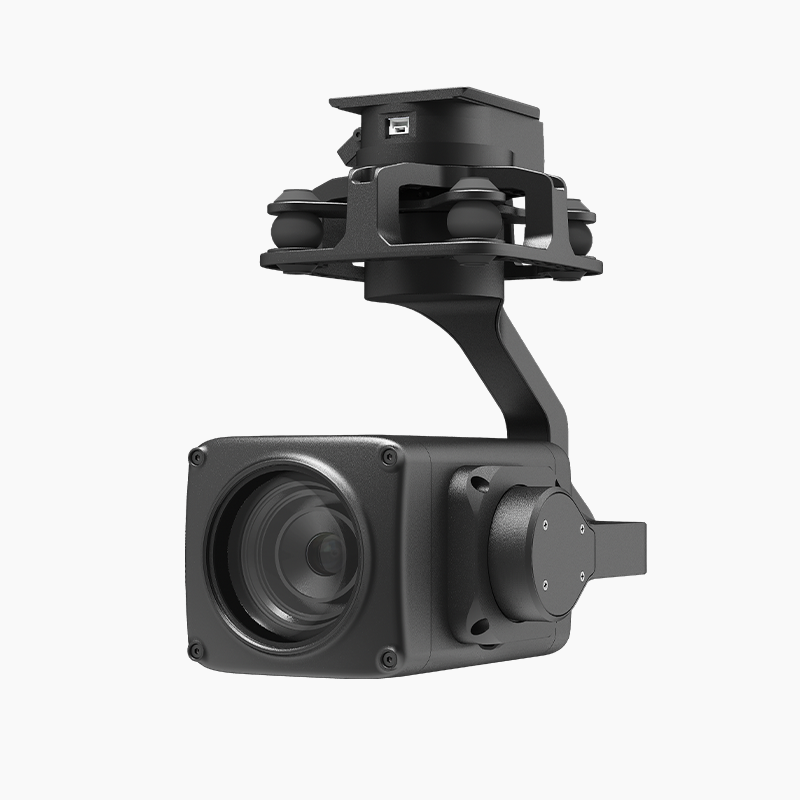
What are the key buying factors when selecting a thermal camera for UAV inspections?
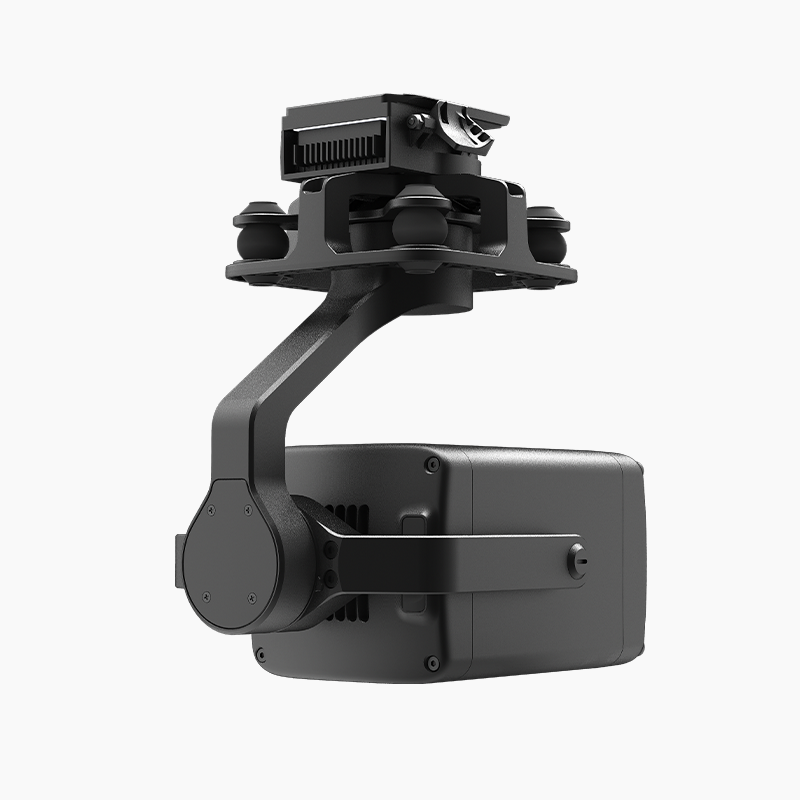
Greetings for one thorough guide involving stabilization methods and radiation monitoring of airborne platforms.
Suspension Functions within Autonomous Drone Imaging Improvements
Airborne machines are observing remarkable innovations in camera mechanisms. Advanced gimbal platforms now grant incredibly smooth footage, regardless of turbulent atmospheres. Furthermore, the amalgamation of thermal imaging offers expanded opportunities for scrutiny in fields like agriculture, delivering valuable intelligence beyond what typical light cameras can obtain. These combined technologies are significantly transforming the domain of aerial filming.
Observing into the Blackout: UAV Cameras with Infrared & Suspension Solutions
The latest landscape of unmanned aerial machines is being refined by advancements in camera specifications. Importantly, the combination of night vision systems and sophisticated gimbal suspension allows for unprecedented clarity during nighttime missions. These capable cameras, often utilizing infrared detection, can illuminate darkness, providing crucial information for protection purposes. Besides, the gimbal mechanism efficiently minimizes movement, resulting in significantly clear footage even in windy conditions. Factors like resolution and frame rate are regularly paramount for superior capability.
- Boosted Environmental Perception
- Higher Range of Performance
- Specific Records Compilation
Flying Machine Camera Evaluation: Stabilized, Heat-Sensing Photography, Adjustable Focus & Dusk Viewing
Selecting the optimal remote drone camera requires a challenging decision. Deliberate on the alternative kinds available: gimbal systems afford smooth, expert footage; infrared cameras deliver in dim conditions by revealing heat indications; telephoto lenses permit you to heighten distant entities; and low-light vision abilities utilize state-of-the-art systems to acquire imagery in reduced light. The preferable integration is determined by the proposed function.
The Prospective of Drone Sensing Devices: Blending Heat-Sensing & Dusk Vision
Commonly, Drone instruments centered on normal light imaging. Still, modern purposes in areas like monitoring & support call for amplified environmental facts. Combining infrared-based cameras alongside low-light sensing features affords experts a valuable gain, uav camera with zoom allowing professionals to identify objects masked from usual light. That collaboration significantly boosts tactical potency across a broad variety of purposes.Gimbal Firmness Merges with Thermal Vision: A Cutting-Edge Era for UAV Imaging
An advanced phase related to unmanned sensing commenced, stimulated as a result of a merging alongside high-tech suspension technology via high-definition thermographic recording. One synergy enables professionals in order to collect enhanced thermal facts inside UAVs, regardless turbulent flying circumstances, opening new potential within different domains among others examination, retrieval as well as precision crop production.
Remote Drone Camera Variable Focus Capabilities: Optimizing Extent & Twilight Observation
Advancements in Autonomous System technology are constantly advancing camera variable focus potential, but a pivotal challenge involves juggling span and dusk imagery. Extending the zoom to observe long-range objects often limits luminosity sensitivity, causing clear low-light vision complicated. Suppliers are considering new solutions, adopting advanced telephoto layouts and processing upgrades, to curb particular disadvantage and provide refined imagery at broad reaches, even under poor shine settings.
Picking certain Optimal UAV Sensor: Steadiness, Thermographic, & Close-Up Elements
When deciding on your UAV camera, countless critical issues are required to be assessed. Such dampened suspension component is important for smooth elevated footage , primarily in challenging weather. Temperature instruments allow priceless understanding for operations like monitoring and retrieval procedures. Finally, long-range lens options empower more detailed visuals of targets, whereas intensified magnification regularly results in weakened representation clarity and needs more radiance.
{Night Vision UAV Cameras: Elevated Protection with Support Backing
Advanced autonomous flying machines are changing security functions with the addition of night vision equipment. Decisively, stabilized mounting guarantees exceptional strength for the imaging equipment, empowering clear shots even in problematic conditions or during aerial movement. This quality substantially elevates inspection efficiency and supplies a key lead for departments and other entities requiring consistent nighttime observation.
Innovative Autonomous Detection Assemblies: Connecting Zoom Infrared & Low-light Sensing
Modern pilotless machines are progressively equipped with state-of-the-art camera packages that outstrip basic observation. These advanced solutions customarily embed a union of efficient technologies, embracing variable range capabilities for exact inspection, infrared-based imaging to discover thermal hotspots, and low-light vision methods to support operation in restricted settings. This combination provides users with a significant plus in wide-ranging industries, from humanitarian aid to maintenance checks and defense surveillance.