value packed air driven modulating valve actuator?
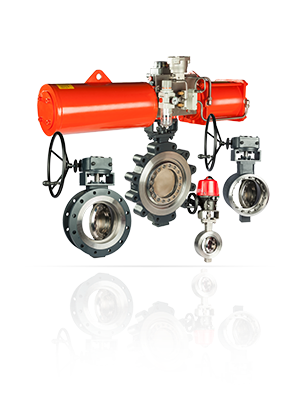
Up-to-date manufacturing activities often involve precise and stable management over streaming displacement. Therefore, engine-driven gate mobilization units have materialized as important sections for obtaining optimal performance in numerous utilizations. The aforementioned layouts exploit the strength of powered actuators to seamlessly expand, terminate, and alter regulator configurations based on scheduled benchmarks or far-field prompts. There are motorized door functioning apparatuses offered, each suited for defined execution states and needs.
- A variety of aspects determine the election of a adequate engine-driven valve equipment, including the kind of aperture, throughput, torque extent, climatic settings, and desired scale of clearness
- Compressed air engines often furnish the necessary strength for handling ports.
- Advanced feedback apparatus and indicators make possible live tracking of aperture placements, ensuring peak infrastructure effectiveness and soundness.
Pneumatic Valve Control in Industrial Automation
Within the domain of production automation, pneumatic valve control serves a fundamental responsibility. Those valves, controlled by atmospheric pressure, govern the transmission of an array of chemicals including gases liquids and solids. The strict working is crucial to preserving uninterrupted production sequences. Including production lines manufacturing units plants and packaging tasks, pneumatic valve control systems optimize workflow.
- Various factors impact the selection and execution of pneumatic actuated devices in industrial contexts.
- These involve the nature of the items being operated on, operating pressures, and the overall requirements of the task.
For this reason, practitioners must meticulously assess these features to build frameworks that are strong and suitable for the precise wants of each deployment.
Safety Valve Specifications and Functional Requirements
Such configuration and functionality of protection valves are critical to eliminating threatening events in diverse manufacturing workflows. Such units discharge extra load automatically when predefined threshold caps are transcended. To ensure trustworthy performance and preservation, emergency valve engineering and efficacy are determined by stringent regulations established by committees such as ASME. These criteria indicate requirements for elements, design, verification, and capability. Obeying to these guidelines is mandatory for realizing the welfare of personnel, instruments, and the ecosystem.Determining the Appropriate Model of Electrically Actuated Valve
Regarding opting for a electromagnetic valve, there are countless factors to assess in order to confirm best efficiency and steadiness. Initially, you need to establish the application for the component. Distinct categories of apparatuses are developed for specific functions, such as hydration management, airflow command, or delivery.
Next, consider the operating force and atmosphere temperature demands of your system. The unit must be suitable for enduring these contexts without collapsing. Additionally, think about the pace you need to control. Apparatus come in various sizes and evaluations, so it's significant to pick one that can withstand your particular requests.
What's more, consider the kind of mobilization warranted. Magnetic valves can be triggered by AC or DC power, and some feature manual override override capacities. Finally, don't forget about components used in the mechanism fabrication. Opt for a component that is matching with the medium you are operating on.
An Assessment of Mechanical, Fluid-powered, and Electric Control Valves
Among manufacturing control, components serve an essential function in supervising the conveyance of liquids. Electrically driven valves harness electromechanical drives for movement, granting fine regulation. Force-based devices make use of aerated pressure to operate, distinguished by their simplicity. Electrovalve units, on the other hand, utilize electromagnetism for starting, yielding a instantaneous trigger speed.
- Selecting the suitable apparatus class depends on parameters such as capacity, load scope, and task.
A in-depth comparative analysis of the presented valve forms can support designers make logical determinations for high assembly functionality.
Identifying Common Faults with Overpressure Valves
Pressure release valves are fundamental elements in wide-ranging industrial and trade activities. They afford a essential security feature by minimizing pressure buildup and warding off perilous episodes. However, like any equipment piece, safety valves can sometimes misfire or show difficulties. Included are some common concerns associated with safety valves and how to troubleshoot them:* Locked Valve: When a safety valve becomes fixed in an open or closed state, it can disturb usual pressure maintenance. This may be caused by acid attack in the valve structure or spindle. To correct this fault, scrutinize and disinfect the valve routinely, verifying all moving parts are treated properly.* Abnormal Flow: If a safety valve shows abnormal dripping when it's supposed to be locked, it could indicate a broken barrier or a problem with the spring mechanism. Changing out of the packing and/or the spring may be required.* Faulty Configuration: A safety valve must be set to the correct pressure cutoff. If it's set too high, it may not respond when needed, while a setting that's too low can lead to constant activations. Ascertain the valve is set correctly according to field regulations and your exact task.* Pilot Valve Failure: Some safety valves employ a pilot valve to control the main valve. If the pilot valve acts up, it can restrict the main valve from performing well. Examine the pilot valve for problems and upgrade it if called for.
Including Pressure-actuated Valves into Fluid Transport Systems
Pneumatic valves play a significant part in process piping systems by directing the transfer of liquids and air. They offer a stable procedure for regulating pipeline pressure, course, and bulk within advanced production operations. When positioning compressed air valves into processing pipelines, several features must be meticulously reviewed to confirm high-level output and strength. A vital detail is the selection of pneumatic operated ball valve the correct type of valve based on the distinct task prerequisites. Many classes of force valves, such as needle valves, each present specific features and capabilities. Moreover, careful consideration must be focused to the unit's stress scopes, stream size, and heat constraints. Harmony with the current pipe frameworks and substance details is also vital to prevent deterioration or other unfavorable repercussions. To secure proper {val