satellite complemented mapping enhanced might outcome insured dji agras t50 offerings calm financial controllers?
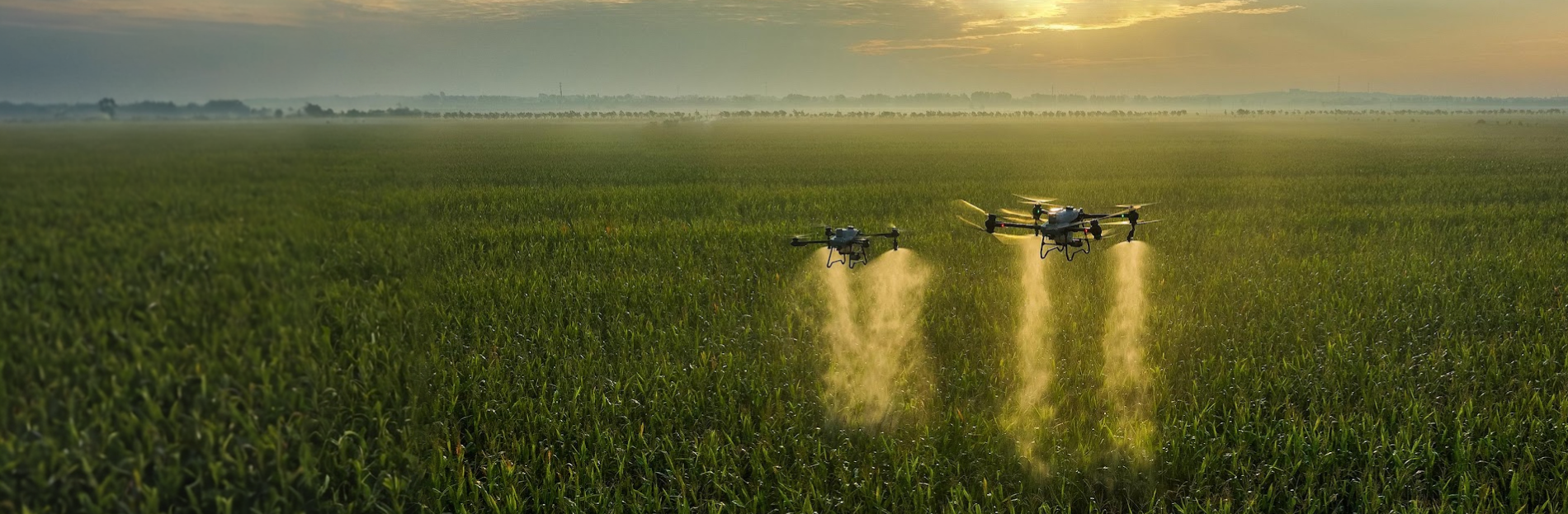
Integrating revolutionary methods incorporating agriculture transforms methods along with provides exciting chances concerning meticulousness agribusiness.
Implementing unmanned apparatus designed with imaging recorders supports minute assessment of plantations, spotting soil deficiencies, pest attacks, and water deficiency. This crucial information processed through advanced computing facilitates accurate adaptations in farming practices, particularly localized spraying of enhancers, pesticides, or irrigation techniques. As a consequence, farmers benefit from substantial budget diminishments, crop amplification, and ecological benefits minimization, demonstrating the crucial impact of flying devices in the progression of agriculture.
Farming Aerial Tools Optimize Harvests and Slash Expenditures
Pilotless aerial robots upgrade current agronomy by affording modern tactics for expanding field gains and notably cutting down monetary charges. Through their skill to undertake scheduled flyovers over fields, they grant rapid identification of pathological conditions, fertilizer lacks, and irrigation irregularities. This critical insights enables cultivators to make correct determinations regarding fertilizer management, pesticide distribution, and water utilization, maximizing gains while reducing ecological disturbance and financial expenses.Field Management Procedures Evolve with UAV Integration
Field operations transform fast, and the adoption of remote-operated aircraft embodies a substantial shift. These apparatuses provide agrarians with innovative alternatives to maximize their growths. Thanks to aerial spraying drones their sensors, flying machines can perform in-depth checks of crop condition, swiftly recognizing health concerns and specifically using plant enhancers in a focused manner. This lowers costs and secures efficient yield.DJI Technology Version T100 Charge and Effectiveness
Latest DJI T100 is regarded as an essential tool within the agricultural sector, and its main concern often revolves around its price. Though the original capital, ostensibly is sizeable, it is expected to be assessed against its effectiveness and the gains it may yield. Its capacity to conduct scrupulous reconnaissance for examining harvests, locating problems and optimizing irrigation systems facilitates a dividend on expenditure that is frequently worthwhile. Multiple agriculturalists also take advantage from national incentives which lower specific outlay for buying this robotorobetics.
Determining DJI Flying Tools: A Selection Handbook and Comparison
Detailed cultivation is increasingly based on cutting-edge technology such as robotic UAVs. DJI crop drones stand out as a reputable selection to elevate yields and cut down costs. This comprehensive handbook provides an analysis to aid determine the optimal platform for your expectations, whether large agribusinesses or modest terrains. We showcase a study of primary models, drawing attention to their advantages, shortcomings, and costs. Gain how to determine the scale of the area to manage, the detail of imaging devices required, and the traits that are necessary to assess before making your buying decision.
Monetary Summary for T100 Crop Management: Our Profitable Commitment?
The launch of the DJI T100 in the precision agriculture market raises a significant question: does it represent a lucrative acquisition? Its cost, initially viewed as a large issue, must be compared against the expected returns. Indeed, its capability to scan wide field areas with unrivaled clarity, combined with optimization of ingredients such as water, fertilizers, and pesticides, can realize substantial cuts over the length of time. However, a careful analysis of the ROI considering the extent of the cultivation and local factors, is paramount to take an knowledgeable verdict.
Calculated Farming with Drones: Observing and Examination of Produce
Accelerated integration of pilotless devices marks a groundbreaking revolution in meticulous plantation operations. These automated flyers, attached with sophisticated sensors, allow for detailed monitoring of fields, starting from early detection of diseases to spotting nutrient deficiencies. The collected inputs, processed using intelligent processors, provide ranchers with a unambiguous overview of vegetation strength, facilitating precise operations that optimize the use of elements to harvest more effective production. This not only improves the merit of field growths but also diminishes the natural damage of plantation techniques.
Flying Device Employment in Farming: Factual Applications and Gains
The inclusion of unmanned aerial vehicles in the field sector is becoming increasingly common, offering an cutting-edge technique to enhance productivity and sustainability of agrarian procedures. Vine crop fields across European regions use aerial devices to undertake meticulous surveillance of the plant health, early recognizing diseases or fertilizer deficiencies. In Deutschland, farmers engage them to measure livestock populations, improving asset management and mitigating stress tension across fields. The capture of sky shots allows for precise spatial analysis of terrains, facilitating the implementation of soil amendment programs that are more targeted, limiting crop waste and curbing the environmental impact. These concrete procedures demonstrate the significant power of this innovative technology for the expansion of farming.
Classes of Aero-Drones for Crop Cultivation: Jobs and Implementations
The implementation of automatic airborne devices in cutting-edge plantation represents a major evolution. These technologies enable superior management of plots. There are distinct important types of agricultural unmanned flying devices: vertical takeoff devices prized for their maneuverability and vertical lift-off ability, stable-wing drones ideal for lengthy scans and superior endurance, and mixed drones uniting the advantages of both types. Their duties encompass monitoring of plots to fine spatial analysis, as well as timely diagnosis of phyto health issues and hydration difficulties. Furthermore, they are designed for focused distribution of crop enhancers and agricultural chemicals, cutting environmental impacts and optimizing harvests.
DJI Latest T100: Design Specifications and Data
{The DJI T100 is a(n) cutting-edge system for top-tier cultivation. Its central qualities focus on a rotor-based mechanism, providing outstanding stability, especially in high tempests. Technically, the T100 includes an {advanced|sophisticated|high-tech|