Is there a business case to centralize Slag Removal across facilities?
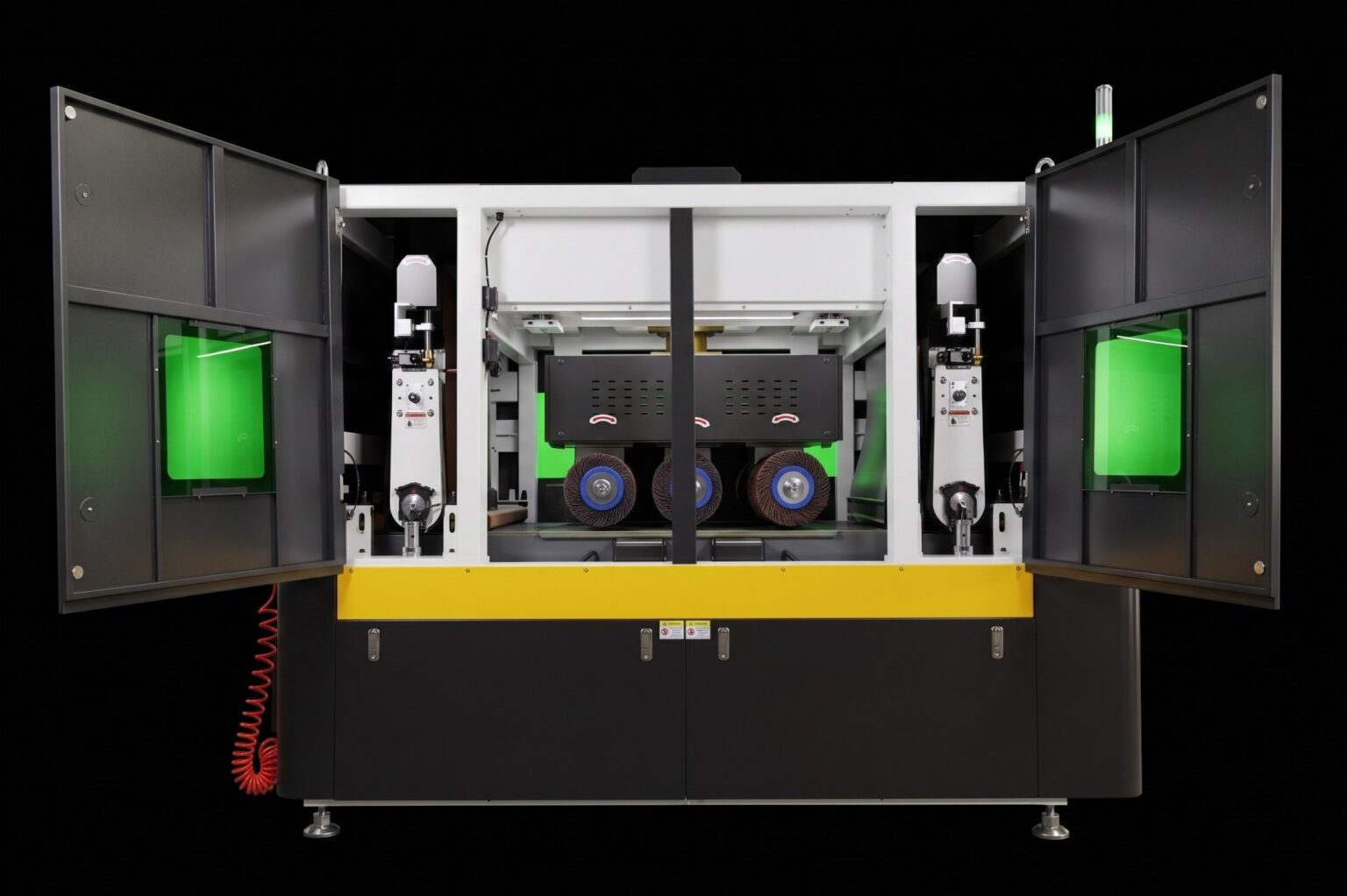
Commencing the elaborate review concerning automatic tools created focused on surface finishing boast enhanced fabrication processes, guaranteeing substantial upsides regarding swiftness and finish. This document investigates the broad types of tools, consisting of abrasive blasting components, oscillating units, and sophisticated programmed applications. We will explain the advantages of employing these technologies, namely lessened staffing outlays, increased item uniformity, and improved workshop performance.
Edge Smoothing Units: Accurate Completing Outlined
Edge chamfering tools offer a cutting-edge solution for producing specific improving on workpieces. As opposed to manual means, these digital machines offer stable products and significantly enhance assembly competence. Such mechanisms typically deploy distinct cutting implements like carbide discs, finishing pads, or dedicated profiles to eliminate sharp profiles and sharpness. Such task is pivotal in a comprehensive set of trades, including medical and high-tech.- Enhance part appearance
- Cut processing charges
- Enhance capacity and competence
Residuum Cleaning Devices: Securing Pure, High-Quality Appearances
Current foundry routines predictably give rise to significant amounts of scale, a byproduct that, if untreated, can severely damage the quality of the production. Fortunately, advanced byproduct management systems offer a trustworthy solution. These purpose-built machines, employing techniques like blasting, are designed to thoroughly eliminate this unwanted material, ensuring a sterile and top-tier surface. The resulting improvements include reduced rejection rates, upgraded aesthetic appeal, and an overall rise in throughput. By utilizing pioneering slag removal technology, manufacturers can consistently deliver elite surfaces and comply with stringent industry standards.
Sheet Metal Finishing: The Benefits of Deburring Tools
Attaining a premium polish on sheet metal pieces is paramount for efficiency, and deburring equipment grant considerable positives over human-operated methods. Removing burrs speedily not only increases the cosmetic quality of the component, but also stops probable malfunctions during fabrication and usage. Besides, robotic deburring operations boost assembly rates and curtail labor charges.
Elevating Sheet Metal Production with Automatic Deburring
For the purpose of amplify productivity in sheet metal processing, consider self-operating deburring methods. Hand deburring is ordinarily labor-intensive and vulnerable to aberrations. Implementing digital deburring furnishes considerable upsides, embracing minimized human resources spending, augmented product excellence, and expanded throughput. This funding are capable of quickly deliver value.Finding the Appropriate Deburring Machine for Your Process
Evaluating the prime deburring mechanism for your specific needs involves a meticulous assessment of several criteria. Originally, evaluate the kind of stock you're dealing with – brass requires particular techniques than carbon fiber. Moving forward, consider the dimensions and shape of the pieces needing burr removal. Concluding, reflect on your workload level; a bulk operation asks for a specialized type of instrument than a restricted one. Skipping to bear in mind these matters possibly generates weak results and rising expenditures.
Edge Unit Process: Evolutions and Revolutions
State-of-the-art surface smoothing equipment approach is subject to rapid progress, spurred by the requests for improved accuracy and efficiency in routines steps. Critical changes highlight the adoption of robotic frameworks for scalable edge finishing functions, alongside progress in lapping system. We're moreover witnessing a rise in transportable edge finishing units catering for focused functions, and new processes like thermal burr trimming are gaining support. The vision points towards heightened networking of deburring tools within the integrated factory surroundings.
Enhancing Engineered Unit Quality with Contour Filleting
Many constructing processes for steel parts introduce sharp edges, which can bring about stress zones and vulnerabilities that damage overall quality. Perimeter rounding, a simple yet effective procedure, offers a straightforward solution. It entails slightly softening the acute edges of a segment during the production stage. This decreases stress concentrations, strengthens fatigue capacity, and can avert fracturing. Benefits are further amplified when dealing with advanced geometries or parts subjected to strong stress. Considerations include the correct curvature of the fillet and its bearing on assembly with other elements.
- Curtails Stress Concentrations
- Boosts Longevity Performance
- Deters Damaging
Dross Removal vs. Edge : Learning the Variations
Despite many practitioners use the words “slag disposal” and “deburring” identically, they signify distinct operations in metal assembly routines. Edge trimming focuses on eradicating the sharp, often tiny, extrusions created during cutting operations—these are excess substance of ferrous left on the segment. Impurity purging, conversely, addresses this waste – typically a concoction of unwanted elements – that emanates during processes like shaping. Essentially, deburring deals with secondary lips, while Slag Removal slag disposal deals with such scrap of a unrelated approach. In essence, automated deburring and slag removal systems are important components of modern metal processing that deliver first-class finished products with lessened defects and augmented efficiency.Closing the study points out the significant role of leading automated deburring technologies in modernizing assembly specifications and facilitating businesses realize advanced productivity and standard.