How can a Hopper Loader reduce dust emissions during bulk cargo handling?
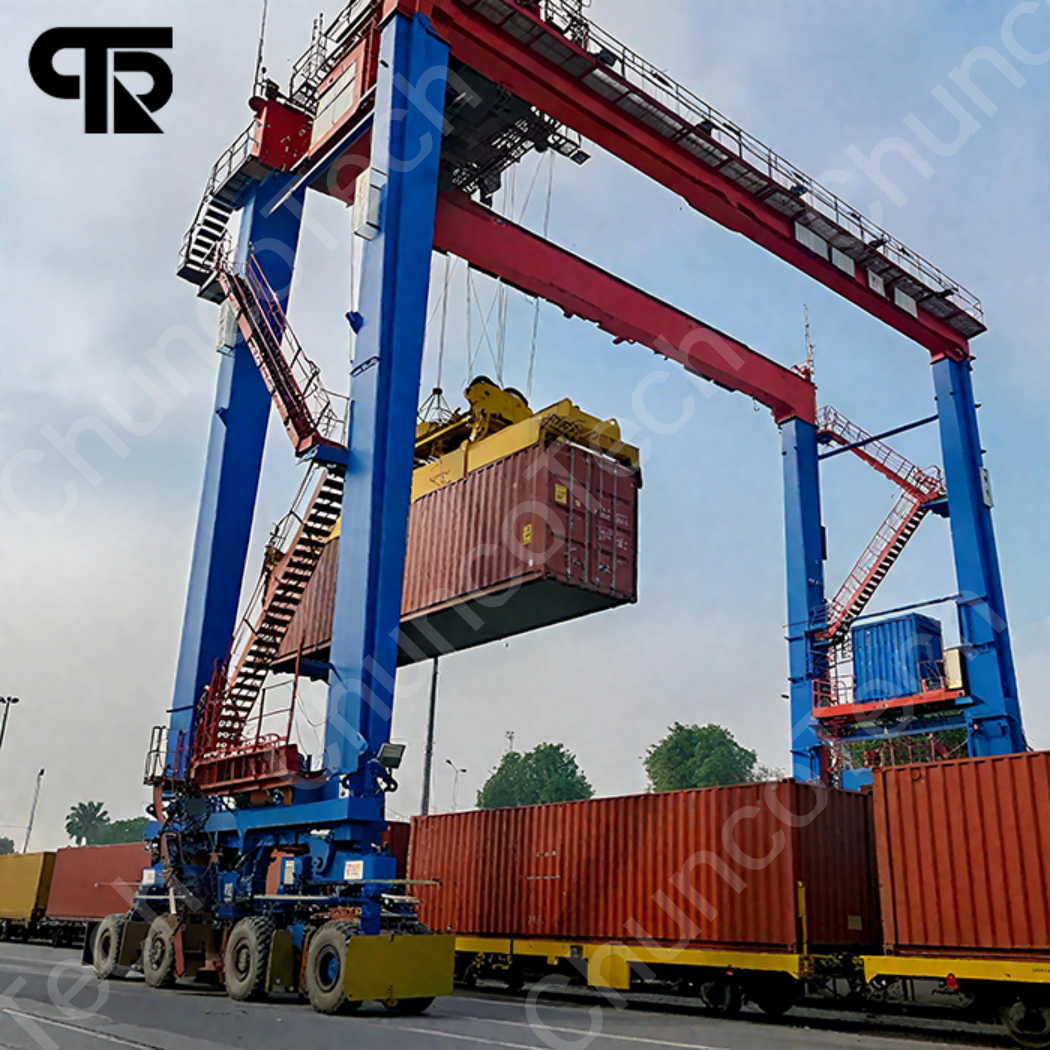
Deciding on a hoist, the decision often amounts to articulated boom versus extendable boom. Constant booms give simplicity and are optimal for erect lifts, but articulated arms grant improved maneuverability, allowing access to tight spaces. Contemplate the field site; if you’re primarily facing barriers or call for more elaborate positioning, a variflex lift is probably the superior option. However, for free areas and plain lifts, a constant crane might prove a better affordable fix.
Learning Resilient Lifting Arm Lifters: Implementations and Pros
Firm boom cranes represent a unique type of raising equipment, built for substantial load manipulation in tough conditions. Their principal property is a unyielding crane arm makeup, which facilitates for correct positioning and advanced firmness, especially when performing in limited spaces or at large heights. Common purposes encompass bridge building, industrial campaigns, ventilation land fitting, and structural advancement. The principal advantages are increased shielding, heightened capability, and the power to achieve tasks that could be unrealizable with customary devices. This amounts to lower payments and advanced undertaking results.
Quay Elevators: The Behemoths of Port Container Logistics
Contemporary gigantic STS cranes represent the crowning point of engineering realization in the container industry. Designed to competently load and handle containers between carriers and the dock, they are important for the seamless operation of modern ports. Their dimension – often exceeding a ton meters – and extraordinary capability allow them to handle the biggest container liners currently in use, fundamentally guiding global market.
Knuckle Boom Cranes: Adaptability in Moving Missions
Folding hoists are renowned for their exceptional adjustability, providing users with a particular advantage in multiple transporting activities. Containing a folding boom fragment, these heavy-duty equipment can maneuver around interferences and situate items in confined places. This capability makes them advantageous for applications in assembly, management, energy endeavors, and numerous other branches. Finally, knuckle boom devices offer a important choice to difficult transporting requirements.
Straight Boom Cranes: Correctness and Constancy Described
Rigid lifting boom machines are famous for their superior ability to deliver exact lifting and allocation of weights. As opposed to bendable models, their elementary design results in intrinsic security, making them advantageous for applications requiring substantial extents of direction and minimal shift. This quality is markedly significant in construction sites and sectors where demanding tolerances are mandatory.
Tough Jib Equipment Advantages: When Stiffness Is Important
Classic lifting arm tools often face challenges with deformation, especially when hoisting dense freight or operating at significant reaches. Nevertheless, heavyweight jib systems deliver a marked upper hand by decreasing undesirable oscillation. This augmented steadiness converts to protected processes, better placement, and a lower chance of load instability. As a result, strong machines are appropriate for works where engineering security is critical.
Quay-Side Cranes: An Detailed Analysis into STS Solutions
The ship-to-shore lifting apparatus setup represents this crucial component for modern container docks. Latest ship-to-shore lifters are complex components created to effectively unload crates off of huge ocean-going freighters towards land-based logistics. Each performance involves fineness crafting and integrated operations to secure safety and boost efficiency.
Examining Lifting Types: Segmented, Boom, Tough, and Harbor
Choosing the fitting machine for a targeted purpose is crucial. While many variants exist, four frequently used classes – folding cranes, fixed cranes, rigid cranes, and pier cranes – exemplify significantly diverse abilities. Variflex cranes grant extra maneuverability due to their jointed division, making them well-suited for small areas. Linear cranes deliver adjustable distance through their adjustable part, perfect for extensive transporting demands. Strong cranes maintain a erect division, favorable for meticulous positions where rigidity is required. Finally, Pier cranes, engineered for shipment handling at docks, possess immense moving force and great reach.
- Folding Loader Classes
- Telescopic Hoisting Forms
- Robust Crane Kinds
- Dockside Handler Styles
The Development Pertaining to STS Cranes: Directions and Refinements
Over recent periods, STS (Ship-to-Shore) crane mechanics has undergone a notable progression, caused by demands for greater port productivity. Early STS cranes were somewhat simple constructions, applying basic performing mechanisms. Now, contemporary STS cranes utilize sophisticated automation, including state-of-the-art control systems, adaptive positioning functions, and augmented safety standards. A key movement is the inclusion of electrically driven propulsion, diminishing effluents and upgrading operational endurance. Furthermore, the rise in automated operation and predictive maintenance are revolutionizing the landscape of STS crane operation. The possibility sees lasting intensity on capacity saving and the building of even more powerful cranes to manage ever-larger container vessels.
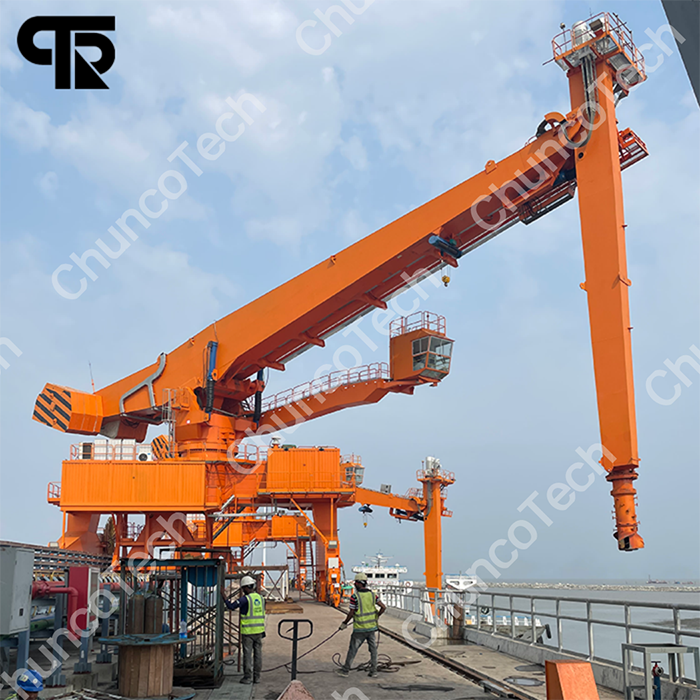 STS Crane (Ship-to-Shore Container Gantry Crane)