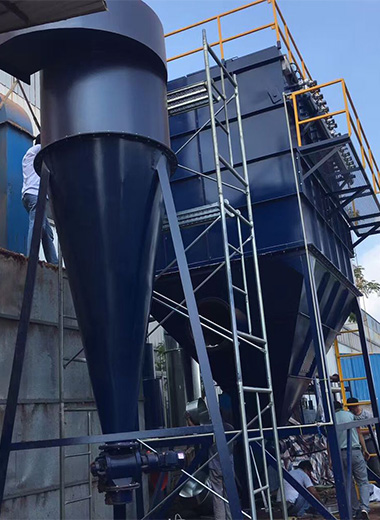
high throughput baghouse compatible filter bag models for mixed dust types?
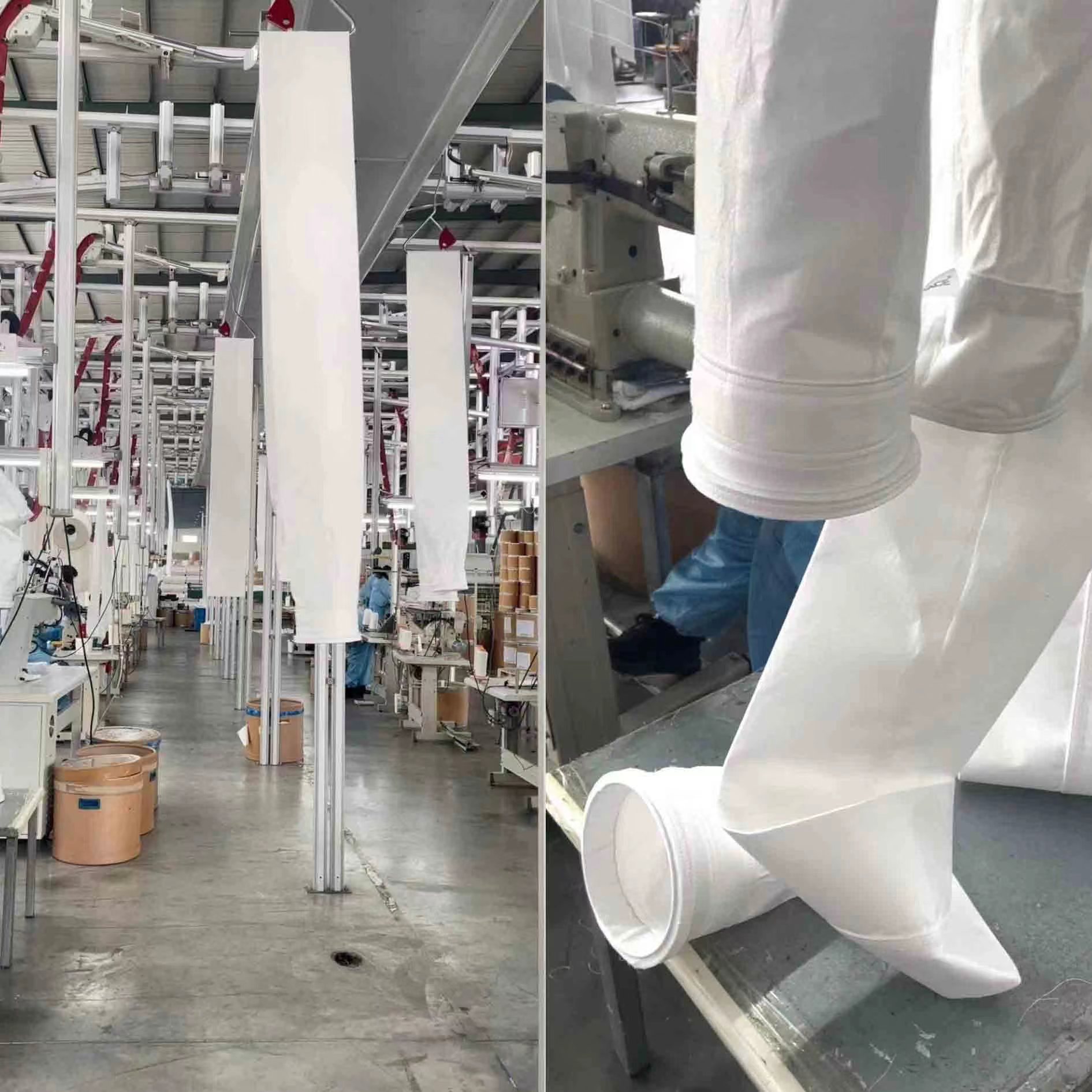
Throughout assembly workplaces in addition to workshops, filth coupled with fine particulates can bring about serious challenges to workforce security also machine operation. For controlling these risks, capable debris handling systems are vital. Pivotal in the stated systems exist tailored contaminant-filtering sacks designed to capture contaminants with precision. Made using hard-wearing substances such as polyester, polyamide, felt, the dust-collecting bags successfully retain diverse particles, assuring uncontaminated air and safer working conditions.
Also, the precise filtration offered by dust collector filter bags contributes to optimal equipment performance. By extracting floating contaminants, the filters cut down device fatigue, prolong usage period, and heighten efficiency.
- Appointing fitting dust filtration sacks depends on unique functional demands and assorted contaminants.
- Periodic maintenance of filtration bags, such as purifying and substituting, plays a critical role in securing prime performance.
Heat-Resistant Filtration Sacks: Tolerating Severe Environments
Heat levels frequently impact industrial workflows. Intense warmth could deteriorate apparatus and undermine filter system strength. Fortunately, thermal endurance dust bags were established to suit extreme usage. Such distinct sacks are made from compounds able to survive very elevated heat without degrading filter effectiveness.
This type of sack plays a pivotal role in uses such as liquid metal processing, chemical handling, and hot vapor control. In addition, these sacks significantly support air cleanliness and contaminant control amidst hot surroundings. Adopting heat-proof dust bags makes certain seamless and optimized workflows under difficult circumstances.
Nomex-Based Filter Bags: Enhanced Thermal Performance for Manufacturing
Nomex material filter bags act as preferred alternatives for robust heat industry processes. These filter bags, built with firm Nomex cloth, boast excellent endurance to 500 degrees Fahrenheit. Hence, these sacks serve effectively in scenarios with intense thermal exposure.
The inherent fire-retardant nature of Nomex adds another layer of safety and reliability, enabling these filtration pouches fit for tough manufacturing environments. In addition, Nomex filtering bags maintain status for superior contamination capture.
- Applications of Nomex filter bags include:
- Electronics fabrication
- Cement and minerals
Identifying the Right Filter Container for Your Needs
Navigating the world of filter bags can be challenging. Considering multiple compositions, measurements, and features present, deciding on suitable dust sacks for particular wishes becomes essential.
To guarantee maximum efficiency and extend unit durability, take into account the following variables:
- Function: Which elements need capturing? Diverse bags cater to individual materials.
- Flow Rate: Determine the amount of fluid passing through your system to choose a bag with an appropriate capacity.
- Body: Filter pouches incorporate assorted materials, bearing particular qualities. Weigh hardiness, chemical tolerance, and process adaptability.
Securing Excellent Operation: Dust Receiver Maintenance and Substitution Strategies
Appropriate upkeep is critical to guarantee your factory filtering device works at top quality. An essential component of servicing includes cleansing and swapping dust sacks. Skipping such actions triggers falloff in filtration power, endangering instruments and compromising product quality.
Ongoing purification meaningfully strengthens dust filtration pouch durability, diminishing upgrade charges. Formulate upkeep standards aligned with your production specs and nearby environment. This may involve vibration the bags to dislodge debris or using compressed air to blow out trapped particles.
Constantly comply with supplier’s instructions for secure cleaning and handling of filtration sacks.
Switching out filter sacks remains imperative to sustain peak functionality. With prolonged service, filter containers diminish pollutant retention, reducing efficiency rates.
Track pressure variance within filtering units to gauge replacement timing. Significant pressure surges reflect clogged filtering bags needing renewal.
Magnitude of Screening in Manufacturing Tasks
Purification serves a fundamental part in many manufacturing procedures. With removal of foreign matter from flows, clarification secures product purity. This is particularly crucial in industries such as food and beverage, pharmaceuticals, and manufacturing, where even small amounts of contaminants can negatively impact the final product. What's more, sifting protects costly machines and apparatus from degradation delivered by coarse substances. Implementing effective filtration systems can significantly enhance the efficiency of industrial processes while ensuring a safe and consistent working environment.
Types of Filter Bags: Exploring Different Materials and Designs
With respect to picking fitting dust collecting sack matching unique conditions, grasp of different fabrics and formats is important. Consisting of woven fibers like polyester expanding to tiered paper filters, all groups exhibit unique qualities guiding efficiency and suitability for varied duties. Namely, crafted fiber filter sacks feature strength plus chemical endurance, well suited for factory purification uses. Alternatively, cellulose-based dust bags demonstrate superior fine particulate capture and supply budget-friendly solutions in residential ventilation. Taking into account details such as impurity dimension, throughput, and climatic conditions, selecting optimal filtration sack class guarantees effective and consistent results.
- Composed clothes
- Layered paper tissues
- Non-assembled fabrics
Decoding Dust Collection Bag Efficiency Levels
When opting for dust collecting bags, decoding performance marks is necessary. The measures denote amount of contaminants held by filtering pouches. Dust collecting bags chiefly conform to ASTM, NIOSH, or EN 149 policies regulating filtration thresholds. Indexes generally signify minimal performance reached for particular particle scale.
Elevating Breathable Environment Using State-of-the-Art Filter Pouches
Currently, airborne contaminants present major risks to societal wellbeing, creating urgent need for efficient air cleaning measures. Enter into this arena are state-of-the-art filter bag technologies that offer unparalleled performance in capturing harmful pollutants and enhancing indoor air quality. These complex dust bags rely on assorted materials to secure small particles, allergens, and smells, effectively promoting safer breathing zones. From residential homes to industrial facilities, these efficient filter bags provide a reliable solution for safeguarding against the detrimental effects of air pollution
Manufacturing Dust Handling Systems Highlighting Robust Filter Sacks
Currently, the manufacturing realm demands upkeep of sanitary and secure labor surroundings. Industrial dust can pose significant health risks to workers and equipment. For minimizing perils, strong dust trapping technologies stay vital.
Sturdy filtration sacks occupy vital positions within mechanical dust control frameworks. These sacks get fabricated to collect minute filth and hinder their scattering. Identifying suitable dust bags proves critical for peak functionality.
- Components contained in dust bags fluctuate considerably, comprising polyester, polyamide, synthetic fiber
- Dust sack engineering features entail scale, form, and corrugation layout
- Ongoing preservation of dust bags stands important to maintain capacity
Cutting-Edge Filter Bags: Shaping the Future of Filtration
The purification sector keeps progressing relentlessly, with filter sacks leading innovations. Newest breakthroughs in filtration sack fabrics, design, and operation expand limits, delivering boosted filtering efficiency for diverse uses.
{From water purification to air filtration and industrial processing, filter bags are becoming increasingly sophisticated, meeting the demanding requirements of modern industries|Covering liquid cleaning, atmosphere screening, and factory operations, filter sacks grow more advanced, satisfying strict industry expectations|Regarding fluid refinement, air cleaning, and industrial workflows, filtering pouches advance in complexity, fulfilling high modern industrial criteria|Spanning aqueous purification, atmospheric filtration, and mechanical processing, dust bags evolve in smartness, addressing tight sector demands|Including water treatment, air purification, and factory functions, filter containers progress technologically, adapting to pressing industrial standards|Covering hydro purification, air purification, and production operations, filtering sacks develop complexity, complying with tough manufacturing demands|Extending to liquid high temperature filter bag treatment, air cleansing, and industrial tasks, dust pouches become more refined, meeting rigorous industrial needs|Encompassing fluid cleanse, air screening, and factory manufacturing, filter bags enhance sophistication,